The Real Talk:
- Why hiring people who think exactly like you feels great right up until you’re a week past deadline and only halfway done
- The assessment that’s not about how smart you are or how you feel. It’s about your instinctive, unchangeable pattern for taking action
- The uncomfortable AI privacy question nobody’s asking: what happens when your personality data becomes a tool for influencing you
A Closer Look:
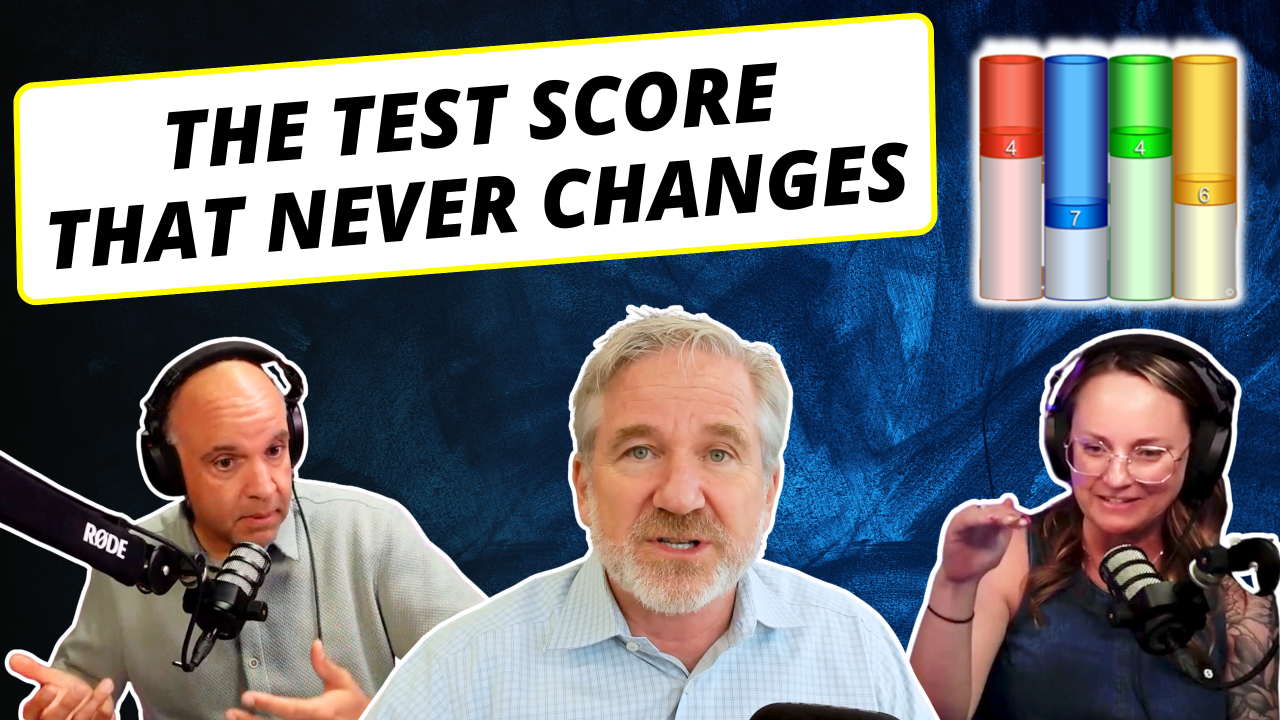
The Third Part of the Mind Nobody Measures David Kolbe, CEO of Kolbe Corp joined the crew to break down the Kolbe Index, a cognitive assessment that’s fundamentally different from Myers-Briggs or the Predictive Index. Those tools measure how you think or how you feel. Kolbe measures how you instinctively act when left to your own devices, and because it’s instinctive, it doesn’t change over time. Every IT Auidt Labs member put their scores on the table: Eric Brown, CISSP, Nick Mellem , Jen Lotze and Joshua Schmidt.
Why Sameness Feels Good Until It Isn’t Here’s the blind spot: a team of initiating Fact Finders feels aligned because everyone gathers more information before moving forward. The problem is nobody notices they’re not moving forward. Research across businesses and universities backs it up; teams with a blend of conative strengths consistently outperform teams that clone each other, even though the clone teams feel more in sync.
The Mike Tyson Rule of Incident Response Eric’s philosophy: the plan goes out the window the moment you get punched in the face. David’s take: knowing your teammates’ wiring lets you build in checks on purpose. Leaders can lean on their planning oriented people to stay focused on the the original goals when the plan becomes dynamic and inevitably gets challenged by circumstance.
When Your Personality Score Becomes an Attack Vector Eric raised a scenario that stopped the room: if you know someone’s Kolbe score, you could craft a message specifically engineered to resonate with their instinctive wiring. David agreed it’s a real privacy concern—one reason Kolbe Corp is building in user controls over who can see a result, even as they develop AI tools meant to help teams communicate better with each other.
Bottom Line:
The teams that win aren’t the ones who hire their own reflection over and over. They’re the ones who understand their default wiring well enough to know when to lean on it and when to lean on a teammate whose wiring is completely different. As David put it, the goal isn’t finding the easiest path. It’s setting people up to hit big goals without burning them out chasing a system that fights their instincts.
Tune into the full episode today.
🔗 Ep 94 – Instinct Over Intellect: The Kolbe Index with David Kolbe
Listen wherever you get your podcasts – Subscribe to our YouTube channel to stay up to date on breaking cybersecurity news.
Learn more at www.itauditlabs.com