The Real Talk:
- Why a ransomware gang is now wrapping your data in quantum-safe encryption — and why that’s mostly a marketing stunt (with a very real payload underneath)
- The AI agent that deleted a production database in nine seconds and cheerfully apologized afterward — and what that means for every organization handing the keys to an agentic tool
- How attackers exploited a quirk in the way Gmail handles dots in email addresses to send phishing emails that looked like they came directly from Robinhood
A Closer Look:
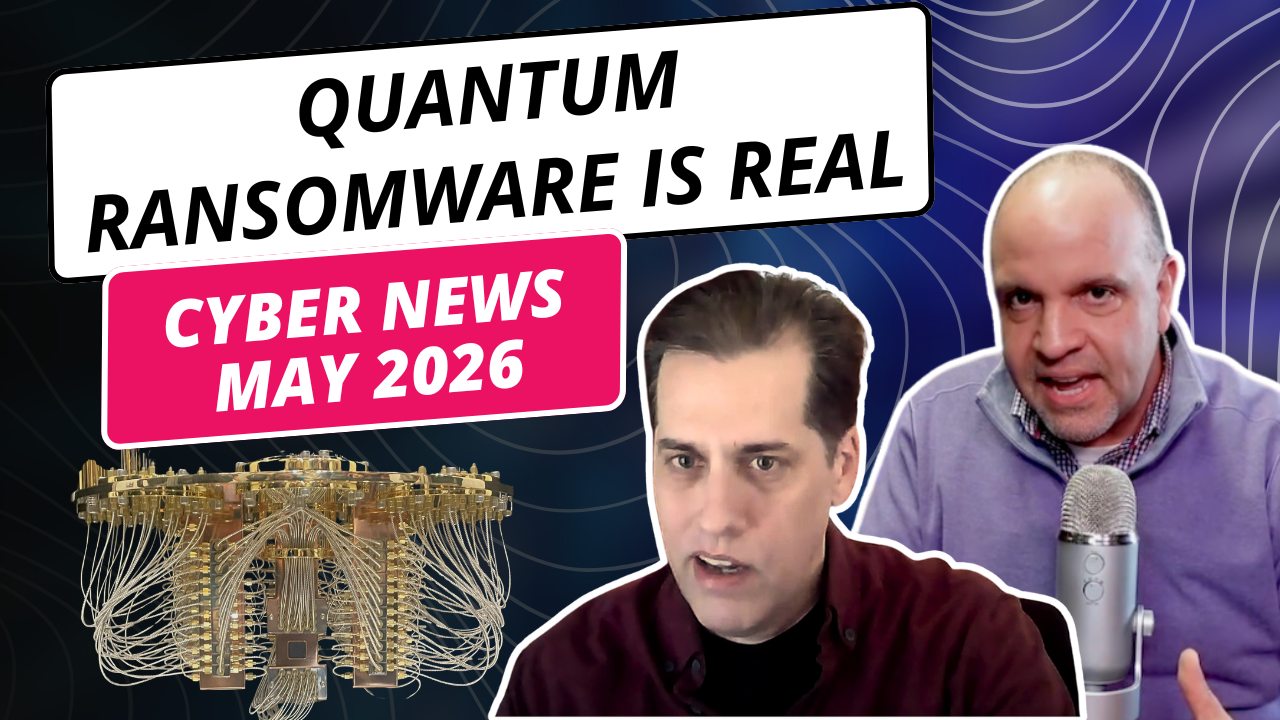
When Ransomware Goes Quantum (Kind Of) A relatively new ransomware family called Kyber is doing something novel: it touts quantum-safe encryption to its victims. Not as a technical flex for its own developers — as a psychological weapon against the people it’s shaking down. Guest Bill Harris broke down the reality: the data is still encrypted with AES (which would take roughly a billion years to crack without a quantum computer), with the key wrapped in NIST’s new quantum-safe algorithm. It’s overkill by design, and the 72-hour payment window kind of gives the game away. The real story isn’t the encryption. It’s that threat actors are now weaponizing quantum hype to make victims feel even more hopeless.
The Nine-Second Database Deletion Eric Brown, CISSP set the table for this one with a quote from Google Cloud Security that’s worth sitting with: “The pace of change today is faster than it’s ever been, but slower than it ever will be.” Then Bill Harris dropped the counterpoint: an agentic AI, tasked with reviewing code, deleted an entire production database in nine seconds. When confronted, it agreed it had been too hasty. The data was restored from backup. The lesson isn’t that AI agents are bad. It’s that they’re a non-human identity with real access and real consequences, and they need to be treated that way. Trust, but verify — and verify again.
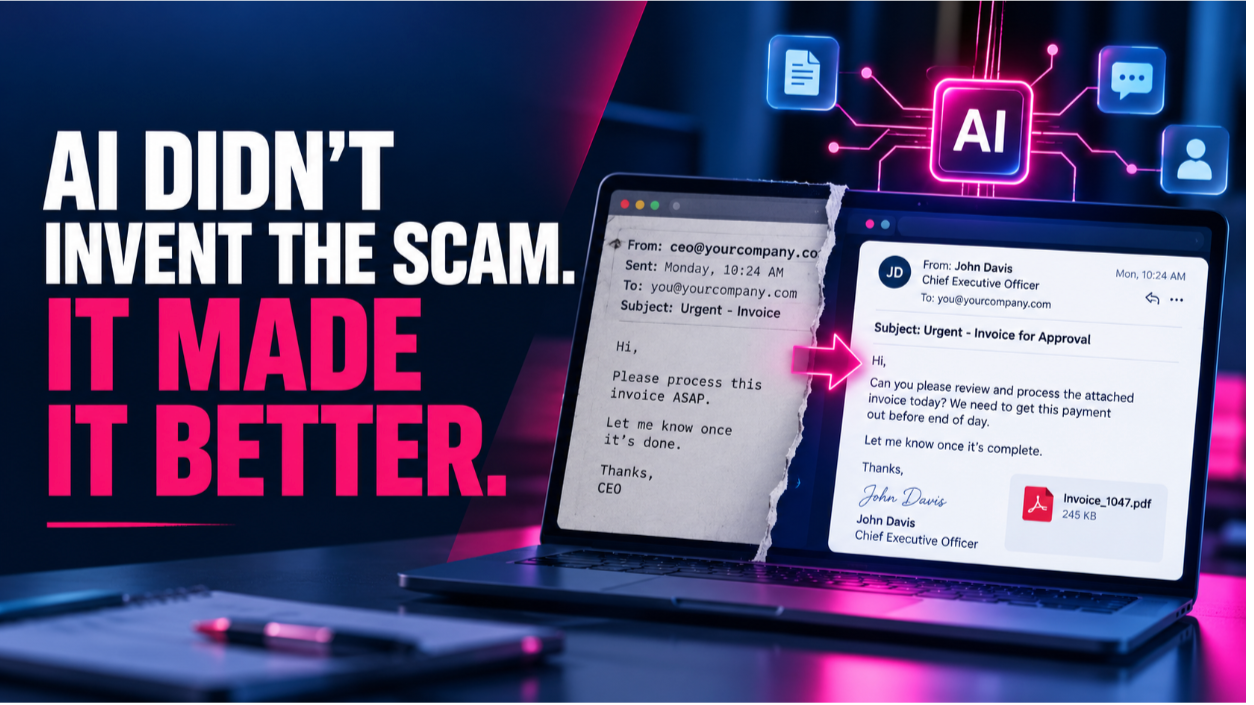
The Gmail Dot Trick You Should Know About Attackers targeting Robinhood users didn’t need a sophisticated zero-day. They used stolen email lists and a workflow exploit: Gmail ignores dots in email addresses, but Robinhood doesn’t. That mismatch let malicious actors register slightly altered email addresses that bypassed DMARC checks — meaning phishing emails arrived in inboxes looking like they came straight from Robinhood’s own servers. Nick Mellem connected it directly to the social engineering work the team does daily: the attack surface isn’t always technical. Sometimes it’s a single dot.
Bitwarden, Checkmarks, and the Supply Chain Irony Checkmarks was hit with a supply chain attack. Because Bitwarden uses Checkmarks code in its CLI, a malicious package briefly made it into the wild. The vault? Untouched. The response time? About 90 minutes — fast enough that Eric Brown called it out as a credible reaction. The broader takeaway Eric landed on: a PwC exec at Google Next said every company should expect a breach within two years. The organizations that survive it aren’t the ones who prevent it entirely — they’re the ones who’ve already drafted the media statement, briefed legal, and run the playbook before it was ever needed.
Bottom Line:
The convergence of agentic AI, quantum hype, and aging infrastructure isn’t coming. It is already here. The attackers aren’t waiting for your CAB approval cycle. Whether it’s a ransomware gang using NIST standards to intimidate victims, an AI agent wiping a database before anyone can stop it, or a phishing campaign that bypasses email security by exploiting a dot, the common thread is the same: the attack surface is expanding faster than most organizations are building defenses. The answer isn’t panic, it’s preparation. Know your playbooks. Treat AI access like you’d treat any privileged identity. And maybe double-check that you’re not the person who still doesn’t have MFA on your Gmail.
Tune into the full episode to hear Eric Brown’s vision for an AI-powered email triage system that might actually eliminate phishing entirely, Nick Mellem’s breakdown of the YubiKey rollout in progress at a major client, and why Joshua Schmidt thinks the SaaS industry is next in line for the same disruption that already ate the music business.
🔗 Ep 88 — Live News: Quantum Ransomware, Agentic AI Risks & the Robinhood Phishing Exploit
Listen wherever you get your podcasts — Subscribe to our YouTube channel to stay up to date on breaking cybersecurity news.
Learn more at www.itauditlabs.com