Stay informed with expert insights from IT Audit Labs.

Blog

Our blog explores the latest in cybersecurity, compliance, and risk management, breaking down complex topics into actionable guidance. Whether you’re an IT leader, security professional, or business decision-maker, you’ll find timely updates, in-depth analysis, and practical tips to help you stay ahead of emerging threats and evolving industry standards.

Quantum Computing Made Simple: What You Need to Know

Quantum computing flips the switch on classical bits—using qubits that exist in multiple states simultaneously—to tackle problems at unprecedented speed. From accelerating drug discovery and powering next‑generation AI models to posing new challenges for today’s encryption, quantum tech is poised to redefine industries. In our chat with expert Bill Harris, we break down the fundamentals, explore real‑world applications, and discuss how innovators like IBM and leading nations are racing toward a quantum future.

Read More »

Click, Update, Repeat: Surviving Today’s Cybersecurity Minefield

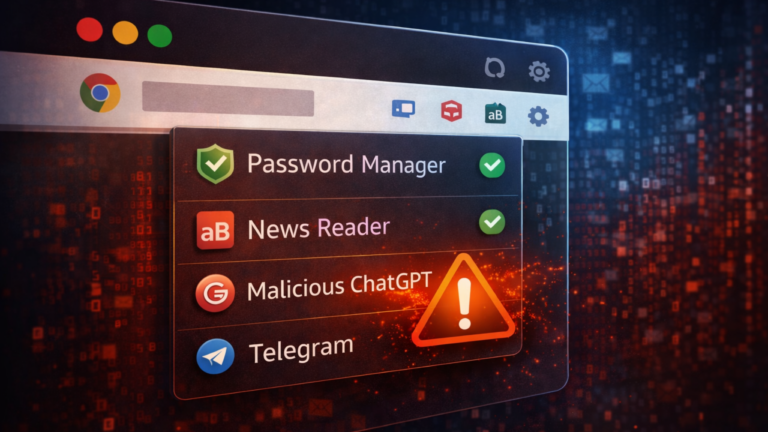
As software development accelerates, overlooked vulnerabilities multiply—and threat actors are ready to exploit them. From malicious macOS toolkits to stolen ChatGPT credentials, today’s risks demand a balance between timely updates and system stability. By patching promptly, using trusted security suites, and layering defenses like password managers and antivirus tools, you can navigate this golden age of data breaches with far less exposure.

Read More »

Exploring Artificial Intelligence: Key Insights and Trends

From mental arithmetic to affective computing, artificial intelligence is reshaping every industry. Rather than banning chatbots, forward‑thinking leaders empower teams to draft reports, automate routine tasks, and refocus on strategic work. Meanwhile, creative AI—whether composing music with GANs or generating novel game strategies like AlphaGo—raises new questions around copyright, emotion, and human–machine collaboration.

Read More »

Spring Break and Cybersecurity: Essential Protection Tips

Packing your toothbrush is crucial—but so is securing your devices and data. Beware ‘too good to be true’ travel deals, lock down gadgets in a portable safe, and avoid auto‑connecting to public Wi‑Fi without a VPN. Delay real‑time social media posts to keep your whereabouts private, and always enable two‑factor authentication on critical accounts.

Read More »

Exploring the Dark Web: What It Is, How It Works, and Why It Matters

Beneath the Surface and Deep Web lies the Dark Web—a realm of .onion sites reachable only via Tor or I2P. While it hosts illicit marketplaces trafficking drugs, stolen data, and malware, it also powers secure journalism (SecureDrop), censorship‑bypassing, and privacy‑focused services like ProtonMail. Navigating it safely means using official Tor Browser downloads, reputable VPNs, and “live” operating systems like Tails to avoid leaving any trace.

Read More »

Back to Basics: A Grounded Approach to Cybersecurity

You can’t secure what you can’t see. With hybrid workforces and multi‑cloud footprints, every device from home routers to AWS instances counts as ‘on your network.’ Starting with free tools like Nmap—using simple nmap -sn 192.168.1.0/24 discovery scans and nmap -sV service enumerations—lets even small teams build a reliable device inventory and spot rogue hardware before attackers do.

Read More »

Password Problems Part 3: Device Implants & Breaches

Discover how modern threat actors use device implants, SMB share enumeration, Responder poisoning, Kerberoasting, and memory scraping to harvest credentials. Learn about zero trust strategies, password managers, and endpoint controls to defend against network breaches and password hash attacks.

Read More »

Password Problems Part 2: Phishing & Social Engineering

Learn how 2025’s top social engineering attacks—phishing, smishing, and vishing—bypass MFA and zero trust. Discover best practices for hybrid work security, including phishing simulations, layered authentication, and AI‑driven email filters to stop credential harvesting before it starts.

Read More »